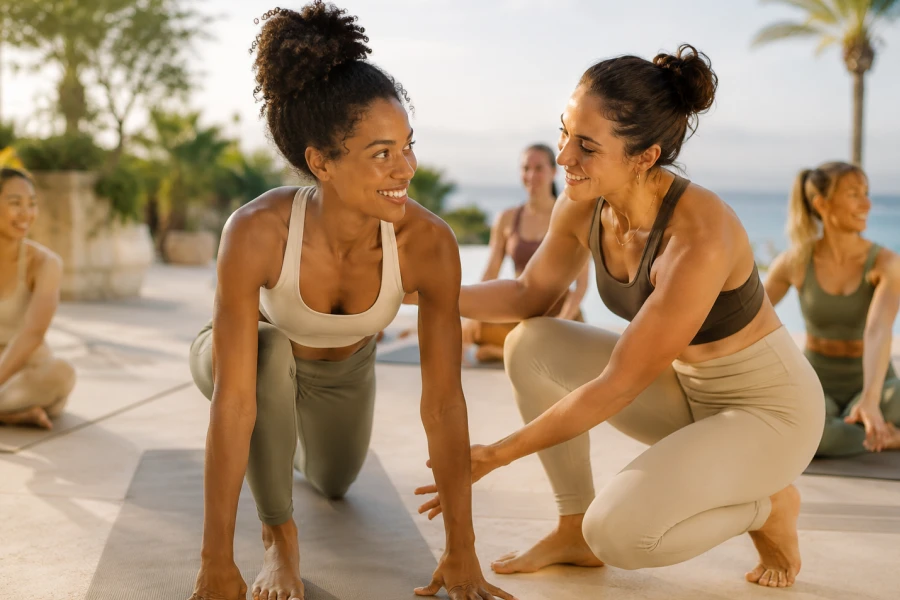
The hours before a first class can make it feel larger than it is. Preparation helps turn nervous energy into a few manageable actions. First group workout tips work best when they focus on what you can control. Pack water, wear clothing you can move in, and leave a little extra time. Decide that the first class is a learning experience, not an audition. You do not need to know the routine before you arrive. You only need to know how to begin. That mindset reduces pressure before the door even opens. A later visit can start from the comfort you created today. A calmer arrival often creates a calmer first ten minutes.
Bring one question with you instead of trying to memorize everything. Find out where newcomers usually stand. Check whether equipment is provided. Learn which movement is easiest to modify. One answer can make the class easier to follow. You do not need to explain your whole fitness history. Keep the conversation short and practical. Instructors are used to these questions. Their response can help you understand the room. A simple question turns uncertainty into useful information; that is a strong first step before the music begins.
Your first class does not need to match anyone else’s pace. Start with a smaller range of motion and a lower impact option when available. Watch the instructor for the basic pattern before adding intensity. These tips encourage you to treat pacing as a choice, not a sign of weakness. A confidence-building fitness habits approach lets you learn the rhythm while keeping enough energy to think. Take a pause when needed. Rejoin when you are ready. The class will keep moving, and you can move with it in your own way. Familiar rhythms make the next session easier to follow. Participation matters more than perfect timing.
Your spot in the room can reduce unnecessary stress. Choose a place with a clear view of the instructor. Some people like the side or back because it feels less exposed. Others prefer the front because the cues are easier to see. There is no correct answer. Pick the location that makes learning simpler. Give yourself enough space to move safely. Notice where the exits and water station are. These details help the room feel more familiar. Familiarity reduces the amount of attention spent on logistics; that leaves more attention for movement.
Modifications are one of the most useful tools in a class. You can lower impact, use less weight, or take a slower version. These choices do not make you less committed. They make the workout fit your body today. These choices remind you that intelligent pacing belongs in every class. Use fitness class modifications as part of the plan, not as a last resort. Watch for the version that keeps your form smooth. If something hurts sharply or feels unsafe, stop and choose another option. The instructor can help if you ask. Your body gets the final vote.
Classes often have a structure that repeats even when the details change. Listen for the big pattern first. Notice when the warm-up ends, when the work interval begins, and when the group changes sides. You do not need to catch every word. Look for the rhythm of the room. If you miss a cue, copy a simple version until the next transition. Most people are focused on their own effort. A missed step is less visible than it feels. Let the structure guide you back in. This approach keeps small mistakes from becoming a reason to stop; you are learning a language through practice.
Every newcomer misses a step or loses the beat at some point. The recovery is simple: pause, breathe, and choose the next clear action. A few practical reminders help you treat that moment as normal. Do not rush to catch up at any cost. Re-enter at the next repetition or follow an easier version. A social workout momentum can help because the group keeps the timing moving forward. You are not required to be flawless to stay connected. Let the class carry some of the structure for you. The next cue is always another chance to continue. That is how confidence grows in real time.
The cooldown is not extra time after the workout. It is part of the experience. Use it to notice your breathing slow and your muscles settle. Let the final stretch signal that the class has a complete shape. This is also a good moment to check in with yourself. Did the pace feel manageable? Was there a movement you would modify next time? A quiet review can make the next class easier. It also prevents you from judging the whole session based on one difficult minute. Finish with the information you gained; that information matters as much as the sweat.
Your second class will not feel identical to the first. You will know where the entrance is and where you prefer to stand. That familiarity is already progress. The same reminders become more useful when you repeat the parts that helped. Keep a group workout orientation mindset for another visit. Ask one new question if needed. Choose the same class time if consistency would help. Let your confidence develop through recognition rather than pressure. Each return gives you a little more context. Context makes the group setting easier to enjoy; the habit grows from repeated starts.
Preparation does not eliminate nerves, but it can make them manageable. Arrive with one question. Choose a place where you can learn. Start at a pace that leaves room for adjustment. Use modifications without apology. Let missed steps stay small. Notice the overall structure instead of chasing every cue. Finish the class with a short review, not a harsh judgment. Then return once more before making a big conclusion. The first session is only the beginning of learning the room; small, practical choices are enough to make that beginning work.



Leave a comment